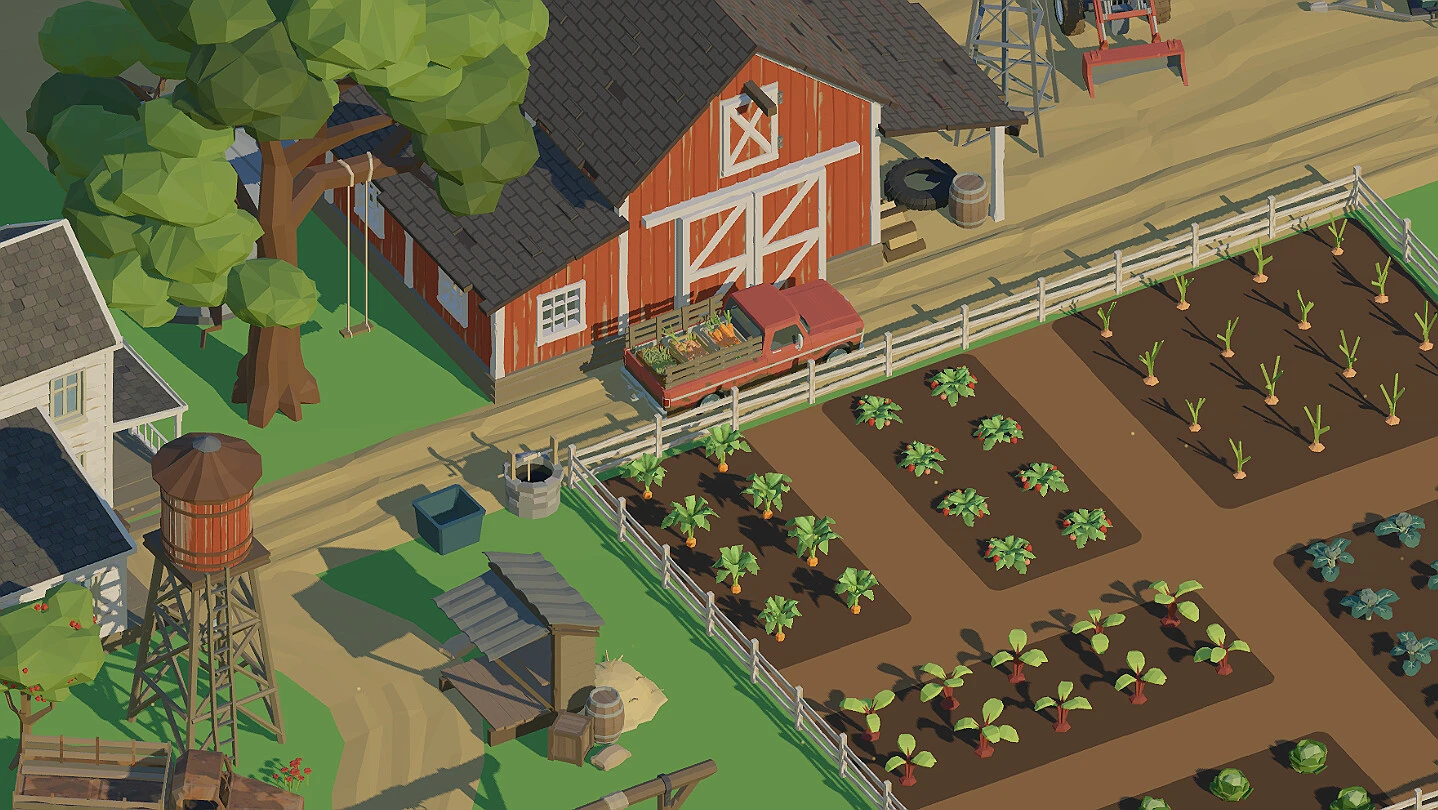
- Farm to Fortune best money making method: Sell a useful farm product through a value-added, repeat-order model.
- Best starting route: Choose one product, one customer group, and one reliable sales channel.
- Profit priority: Track feed, labor, packaging, transport, losses, and market fees before expanding.
- Growth strategy: Convert occasional buyers into restaurants, retailers, subscriptions, or recurring household customers.
- Safety standard: Follow local food-handling, processing, labeling, and licensing requirements.
Farm to Fortune best money making method: Choose the Right Model
The strongest farm income method is rarely based on production volume alone. For many small and growing farms, the better opportunity comes from producing a dependable item, improving how it is presented, and selling directly to customers who value convenience. This approach can apply to dressed poultry, eggs, vegetables, herbs, seedlings, honey, preserves, or other farm products.
A practical model has four parts:
- Reliable production that limits avoidable losses.
- Value addition such as cleaning, grading, cutting, packaging, branding, or delivery.
- Direct or semi-direct sales to households, restaurants, retailers, and food businesses.
- Repeat demand supported by consistent quality and clear ordering.
The goal is not to chase the highest possible price on every sale. The goal is to create a repeatable margin after all costs are counted.
Live or Raw Sales
Lower processing effort, but buyers often have stronger price leverage. Useful when speed and volume matter most.
Value-Added Sales
Cleaning, grading, portioning, or packaging can improve convenience and pricing power when regulations are followed.
Direct Household Orders
Smaller orders may produce better margins, but they require communication, packaging, delivery, and customer service.
Business Accounts
Restaurants and retailers can create recurring demand, but they expect consistent supply, timing, and documentation.
| Sales model | Main advantage | Main challenge | Best use |
|---|---|---|---|
| Live or raw product | Simple fulfillment | Limited pricing control | Fast turnover and established buyers |
| Processed or packaged product | Better convenience and branding | Higher labor and compliance needs | Farms with reliable local demand |
| Household preorders | Direct customer relationship | Many small transactions | Weekly pickup or delivery routes |
| Restaurant supply | Repeat orders | Strict quality and timing expectations | Farms with predictable production |
| Retail placement | Wider customer reach | Fees, shelf life, and inventory risk | Branded products with clear packaging |
Start with the sales channel you can serve consistently. A smaller route with repeat customers is usually easier to improve than a large route with uncertain demand.
Compare Profit Before You Expand
Revenue is only the money collected from customers. Profit depends on what remains after production, labor, processing, packaging, transport, equipment maintenance, spoilage, and selling costs. A method that produces a higher selling price may still earn less if it adds too much work or waste.
Use a simple product-level calculation:
Net profit = total sales − direct costs − selling costs − allocated overhead
For each product, record:
- Number of units produced and sold
- Average selling price
- Feed, seed, fertilizer, or input costs
- Labor and processing time
- Packaging and labeling
- Transport and delivery
- Market, platform, or retailer fees
- Spoilage, mortality, breakage, or unsold stock
- Equipment, rent, utilities, and maintenance
Do not compare methods using sales revenue alone. Compare profit per production cycle, profit per labor hour, and cash required before sale.
| Metric | Formula | Why it matters |
|---|---|---|
| Gross sales | Units sold × selling price | Shows total customer spending |
| Direct cost per unit | Direct costs ÷ units sold | Reveals the minimum sustainable price |
| Gross margin | Sales − direct costs | Measures product-level contribution |
| Net profit | Sales − all assigned costs | Shows the actual business result |
| Profit per labor hour | Net profit ÷ hours worked | Compares labor efficiency |
| Break-even units | Fixed costs ÷ contribution per unit | Shows the minimum sales target |
Margin Focus
Increase the difference between selling price and direct cost without reducing quality or creating excessive waste.
Cash-Flow Focus
Plan when money leaves the business and when customers actually pay. Growth can strain cash even when margins look healthy.
Time Focus
Track labor hours honestly. A product can look profitable until harvesting, processing, delivery, and customer support are included.
A busy sales week can still lose money if input costs, unpaid labor, spoilage, or delayed payments are not included in the calculation.
A useful pricing test is to calculate three numbers:
| Price level | Meaning | Decision |
|---|---|---|
| Cost floor | Covers direct production costs only | Avoid selling below this level |
| Sustainable price | Covers direct costs, labor, selling costs, and overhead | Use for regular business planning |
| Target price | Sustainable price plus desired return | Use when demand and quality support it |
Build a Repeatable Farm Sales Route
The most dependable farm businesses usually sell to a defined customer group instead of trying to reach everyone. Select one primary market first, then create a simple fulfillment routine.
Potential customer groups include:
- Households that want convenient weekly orders
- Small restaurants that need dependable ingredients
- Cold stores, grocers, or specialty food retailers
- Caterers and event buyers
- Schools, offices, or community organizations
- Other farmers who need seedlings, feed, compost, or breeding stock
A good route has clear ordering rules. Customers should know what is available, when orders close, when pickup or delivery occurs, how products are packaged, and how payment works.
Select One Core Product
Choose a product that you can produce with consistent quality and that has an identifiable local customer. Avoid launching several unrelated products before the first one has a reliable sales process.
Validate Demand Before Scaling
Speak with prospective buyers, collect preorder interest, and test a small batch. Record the requested size, packaging, delivery timing, and acceptable price instead of relying only on informal opinions.
Create a Standard Operating Routine
Write down production, quality checks, processing, packing, storage, delivery, and payment steps. A repeatable routine reduces mistakes when order volume increases.
Review the Numbers After Each Cycle
Compare planned costs with actual costs. Track sell-through rate, average order size, repeat buyers, complaints, late payments, and profit per labor hour.
| Sales channel | Order pattern | Operational need | Key risk |
|---|---|---|---|
| Weekly household route | Small recurring orders | Order cutoff and delivery schedule | High communication workload |
| Restaurant account | Larger repeat orders | Consistent size, timing, and invoices | Late payment or changing demand |
| Retailer | Stock supplied for resale | Labels, shelf-life control, restocking | Unsold inventory |
| Farm stand | Walk-in purchases | Attractive display and daily availability | Variable foot traffic |
| Preorder pickup | Paid or reserved orders | Accurate packing and collection times | Missed pickups |
Prioritize customers who reorder, pay on time, and clearly explain what they need. Repeat behavior is more useful than compliments when deciding whether to expand.
A simple brand does not require expensive design. Use a clear product name, contact method, order deadline, storage guidance, and consistent package size. Trust grows when the product customers receive matches the product they ordered.
Protect Quality, Compliance, and Cash
Value-added farming can improve the selling position, but it also introduces additional responsibilities. Processing, chilling, packaging, transport, and labeling must be planned around local regulations. Requirements vary by location and product type, so confirm the rules with the relevant agricultural, health, or food-safety authority before selling processed goods.
Quality control should cover the entire customer journey:
- Buy inputs from dependable suppliers.
- Inspect incoming stock and remove weak or damaged items.
- Keep production areas clean, dry, and organized.
- Separate clean products from waste and contaminated materials.
- Control temperature and storage time where required.
- Use accurate weights, labels, and order records.
- Resolve complaints quickly and record the cause.
Before Launching a New Product:
- Calculate direct cost, labor, packaging, transport, and overhead
- Confirm local permits, processing, labeling, and food-safety requirements
- Test demand with a small batch or preorder campaign
- Set a written price floor and payment policy
- Create a quality, storage, and delivery checklist
| Risk area | Early warning sign | Control measure |
|---|---|---|
| Production loss | Rising mortality, spoilage, or rejected units | Improve sourcing, monitoring, sanitation, and recordkeeping |
| Price pressure | Buyers repeatedly demand discounts | Add channels, improve presentation, or revise the product mix |
| Cash shortage | Inputs must be bought before previous sales are paid | Use deposits, shorter payment terms, and a cash reserve |
| Delivery failure | Late or incomplete orders | Limit the service area and use fixed delivery days |
| Compliance issue | Unclear rules for processing or labeling | Confirm requirements before selling the product |
| Labor overload | Owner works longer without higher profit | Measure labor hours and simplify the workflow |
Do not process, package, or transport food for sale until you understand the rules that apply in your location. A higher selling price is not worth avoidable safety or legal problems.
The safest expansion pattern is staged growth:
- Prove the product sells.
- Prove the margin survives real costs.
- Prove the process can be repeated.
- Add customers only when quality and delivery remain stable.
- Invest in equipment after the workload and demand justify it.
2026 Action Plan and FAQ
Use the following 30-day plan to turn the best money-making method into a measurable business experiment:
| Period | Main task | Output |
|---|---|---|
| Days 1–7 | Choose one product and customer group | Product brief and buyer profile |
| Days 8–14 | Calculate costs and test demand | Price floor and preorder list |
| Days 15–21 | Produce or prepare a small batch | Quality and fulfillment notes |
| Days 22–30 | Sell, review, and adjust | Profit report and next-cycle plan |
The strongest method is the one that matches your production ability, local demand, available cash, and legal requirements. Direct value-added sales can improve margins, but only when the additional labor, packaging, delivery, and compliance work are controlled.
Q: What is the Farm to Fortune best money making method for a small farm?
A strong starting method is a focused value-added product sold through repeat customers. Examples include cleaned and packaged food, graded produce, seedlings, specialty crops, or farm inputs. The best option depends on local demand, production skill, cash flow, and regulations.
Q: Should I sell directly to households or to businesses?
Households may offer stronger pricing and direct feedback, while businesses can provide larger recurring orders. Start with the channel you can serve consistently, then compare profit per labor hour, payment reliability, and delivery complexity.
Q: How do I know whether a product is truly profitable?
Record total sales and subtract direct inputs, labor, processing, packaging, transport, selling fees, spoilage, and allocated overhead. Review net profit per unit and per labor hour after each production cycle.
Q: Can I expand immediately after a successful first batch?
Expand gradually. First confirm that demand repeats, customers pay on time, quality remains consistent, and the process works without excessive labor. Increase volume in stages instead of committing all available cash to one cycle.
Choose a product you can produce safely, sell repeatedly, and measure honestly. A repeatable moderate margin is usually a stronger foundation than an unpredictable high-price opportunity.