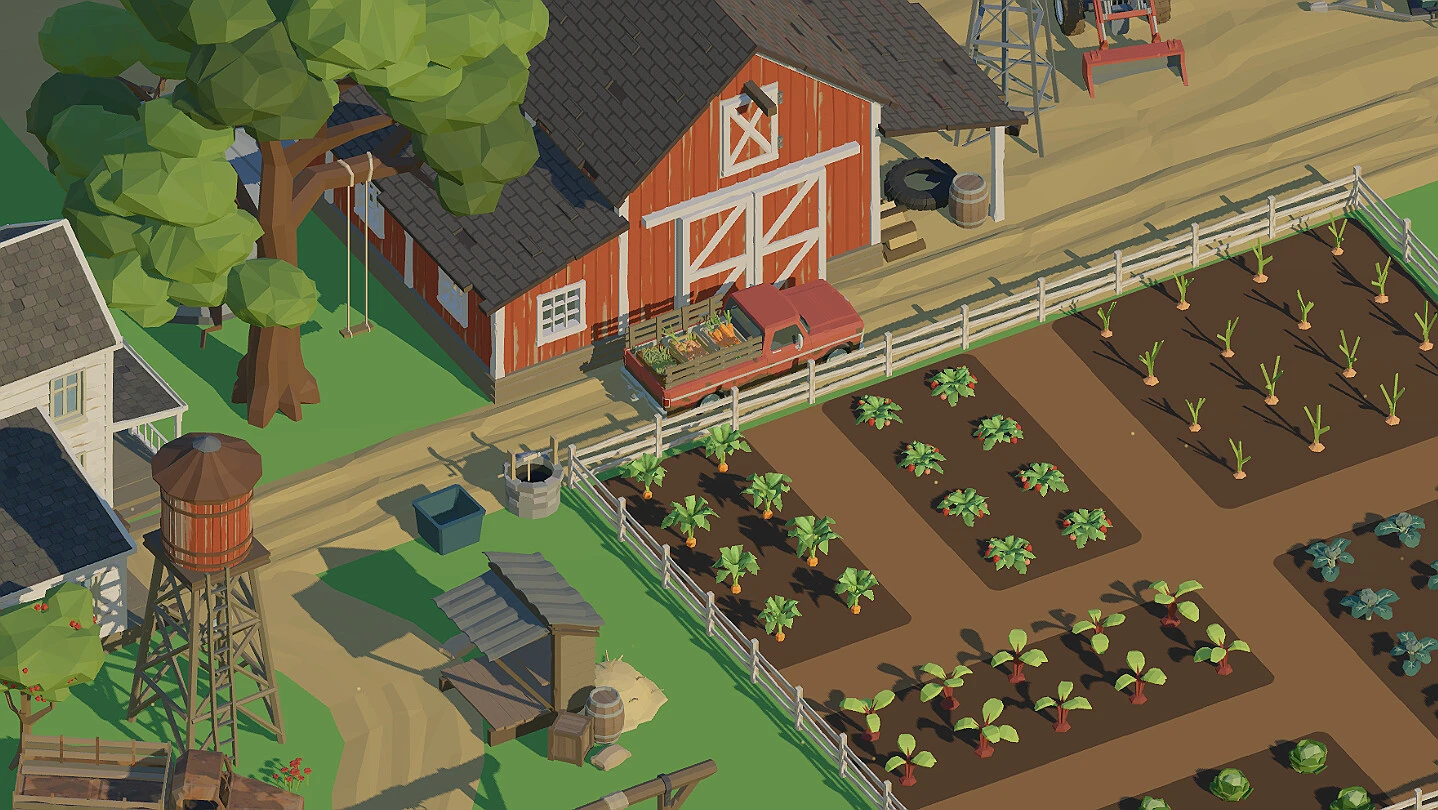
- Farm to Fortune level up fast by combining reliable tasks with short travel routes.
- Prioritize progression tasks before spending resources on low-impact cosmetic upgrades.
- Upgrade one earning lane instead of spreading early materials across every option.
- Use downtime efficiently by planting, crafting, selling, or preparing the next objective.
- Review your route daily because rewards, availability, and efficiency can change.
Farm to Fortune Level Up Fast: Core Route
The fastest leveling approach in Farm to Fortune is built around consistency rather than one risky activity. Choose tasks that provide dependable experience, keep your movement short, and turn every return trip into another useful action. A strong route should let you gather, process, sell, and reinvest without long periods of idle time.
Start by checking the available objectives and identifying which ones overlap. If one task asks you to collect a resource while another rewards selling or processing it, complete both during the same loop. This reduces travel and helps each action contribute to multiple progression goals.
| Route Phase | Primary Action | Efficiency Goal |
|---|---|---|
| Preparation | Check objectives, storage, tools, and available materials | Avoid unnecessary return trips |
| Gathering | Collect the most accessible target resources | Keep movement short and steady |
| Processing | Convert raw materials when the task or upgrade supports it | Add value before selling |
| Selling | Turn completed goods into currency and progression | Maintain enough working funds |
| Reinvestment | Improve capacity, speed, or access to better tasks | Strengthen the next route |
Gathering Loop
- Collect nearby resources first
- Fill unused travel time
- Avoid detours without a clear reward
Processing Loop
- Convert materials when profitable
- Queue useful production before exploring
- Keep a reserve for objectives
Objective Loop
- Check active tasks before leaving
- Combine overlapping requirements
- Finish short objectives between larger runs
Build your route around the next upgrade you want. Every gathering stop should either advance an objective, fund that upgrade, or prepare the following run.
The best route is not always the one with the highest possible payout. A route that produces slightly less currency but requires fewer trips may provide better experience per minute. Track how long a loop takes and whether it regularly leaves you waiting for storage, production, or travel.
Route Priorities
Use this order when deciding what to do next:
- Complete objectives that are already close to finished.
- Gather materials needed for a planned upgrade.
- Process resources if the queue can run while you perform another task.
- Sell excess goods after protecting materials reserved for objectives.
- Return to exploration only when your storage and tools are ready.
This structure prevents a common mistake: selling everything immediately and then needing to gather the same materials again for a quest or upgrade.
Build a Fast Progression Setup
A fast-leveling setup should remove friction from every cycle. Capacity, movement, tool efficiency, and processing access all matter, but their value depends on how often you use them. Upgrade the part of your setup that currently causes the most delays rather than automatically selecting the most expensive option.
If your inventory fills before a route is complete, capacity is usually the most practical improvement. If you frequently return with unused space, capacity may be less urgent than gathering speed or access to a better processing option. The goal is to keep your character active and your route uninterrupted.
| Upgrade Focus | Best Use Case | Priority |
|---|---|---|
| Storage capacity | You often return before completing the route | High when storage is the main bottleneck |
| Tool efficiency | Gathering takes most of the route time | High for resource-heavy loops |
| Movement access | Locations are spread across the map | Medium to high for long routes |
| Processing access | Raw materials can be improved before selling | High when production supports objectives |
| Cosmetic items | The upgrade does not improve progression | Low during early leveling |
Identify the Bottleneck
Play one normal route and note what stops progress first. It may be full storage, slow gathering, long travel, missing materials, or an unfinished production queue.
Choose One Upgrade Lane
Select the upgrade that directly addresses that bottleneck. Avoid buying several small improvements if one focused upgrade would remove the main delay.
Test the Same Route
Run the route again after upgrading. Compare the number of stops, the time spent traveling, and how often you return with unused capacity.
Reinvest the Next Profits
Keep enough currency for normal operations, then direct the next surplus toward the second-largest delay in your route.
Buying every available upgrade can slow progression if it leaves you without materials or working currency. Keep a reserve for objectives and prioritize improvements that affect nearly every route.
Choosing Between Progression Options
When two upgrades appear similar, compare how often each one affects your routine. A bonus used on every gathering loop is generally more valuable than a bonus tied to a rare activity. However, a specialized upgrade can become worthwhile when it unlocks a new objective chain or a more productive region.
Use the following decision questions:
- Does this upgrade shorten a repeated action?
- Does it increase the amount you can carry or process?
- Does it unlock a new task category?
- Can you use it immediately, or does it require more materials?
- Will purchasing it delay a more important objective?
Daily Farming and Task Rotation
Daily progression works best when you divide your session into short cycles. Begin with a planning pass, then complete the most valuable available objectives before switching to general farming. This prevents you from spending the entire session collecting resources that do not currently support a goal.
A practical session has three phases: preparation, execution, and review. Preparation takes only a moment but saves repeated trips. Execution is the main farming route. Review helps you decide whether to sell, craft, upgrade, or bank materials before logging out.
| Session Phase | Recommended Actions | Common Mistake |
|---|---|---|
| Preparation | Check objectives, storage, tools, and production queues | Starting without a target |
| Main run | Complete overlapping tasks and gather needed materials | Chasing every resource nearby |
| Conversion | Process or sell according to current goals | Selling reserved materials |
| Upgrade check | Compare bottlenecks and available improvements | Spending on appearance first |
| Session review | Store useful items and prepare the next route | Ending with unfinished queues |
Fast Leveling Session Checklist:
- Review active objectives before leaving the hub
- Reserve materials needed for quests and upgrades
- Complete the shortest overlapping tasks first
- Keep production or crafting queues active
- Reinvest surplus currency into the current bottleneck
Before the Run
Check objectives, storage, tools, and available funds.
During the Run
Follow a repeatable path and avoid low-value detours.
At the Hub
Process, sell, restock, and compare upgrade options.
Before Logging Out
Store reserves and start any useful timed activity.
A repeatable route with few interruptions usually produces steadier progression than constantly changing targets. Keep the route until a new upgrade or objective clearly improves it.
Managing Materials
Separate your inventory into three groups:
- Objective materials: Items required for active tasks or known upgrade goals.
- Working materials: Resources used for regular production and selling.
- Surplus materials: Extra items that can be converted when storage becomes tight.
This simple division protects your progress from accidental overselling. If storage is limited, sell surplus items first and only convert working materials when you know the next route can replace them.
Mistakes That Slow Leveling
Many players lose time by optimizing the wrong metric. A larger sale is not automatically a faster leveling method if it requires a longer route, rare materials, or repeated setup. Progression improves when each action supports the next action.
| Slowdown | Why It Hurts | Better Adjustment |
|---|---|---|
| Changing routes constantly | Travel and setup time increase | Test one route for several cycles |
| Selling quest materials | Future objectives require another gathering trip | Reserve objective items first |
| Buying scattered upgrades | Resources are divided without removing delays | Focus on one bottleneck |
| Ignoring production queues | Valuable time passes without progress | Start useful processing before travel |
| Chasing every reward | Low-value tasks interrupt the main route | Select objectives that overlap |
| Filling storage with low-value goods | Important materials become harder to carry | Clear surplus items regularly |
Measure progress by completed objectives, useful upgrades, and route time—not by currency alone. A smaller sale can still be better if it advances several goals at once.
When to Change Your Route
Change your route when one of these conditions appears:
- A new objective sends you to a more efficient area.
- Your current route fills storage too quickly.
- A new tool or upgrade removes a major travel delay.
- Processing becomes more valuable than selling raw materials.
- Your current route no longer supports the next upgrade.
Do not change routes simply because another area looks more rewarding. Run a short comparison first. Compare travel time, gathering time, processing requirements, storage usage, and how many objectives each route can support.
Long-Term Progression Plan
Fast leveling should lead into a stable economy. Once your basic route is working, shift your attention toward upgrades that improve future sessions. The strongest long-term plan keeps a reliable income loop while gradually adding better access, capacity, and production options.
Use milestone planning instead of spending currency as soon as you receive it. Set one near-term target, one medium-term target, and one reserve target. This gives every route a purpose and reduces impulsive purchases.
| Milestone | Main Goal | Recommended Habit |
|---|---|---|
| Early progression | Establish a reliable farming loop | Repeat nearby objectives and protect reserves |
| Mid progression | Remove the largest route bottleneck | Focus upgrades on capacity, speed, or access |
| Expansion phase | Add stronger processing or selling options | Keep production active between farming runs |
| Long-term play | Build flexible routes for different objectives | Maintain more than one tested route |
A good progression plan should answer three questions:
- What upgrade am I saving for?
- Which materials must remain in storage?
- What route gives me the most useful progress right now?
If you cannot answer those questions, pause before spending. Review your objectives, check your reserves, and complete one efficient route before making a major purchase.
Keep a small reserve for the next objective and upgrade. The exact amount depends on your current stage, but the habit prevents one purchase from blocking several future tasks.
Recommended Weekly Review
At the end of several sessions, review your route rather than relying on memory. Note which tasks feel slow, which resources accumulate too quickly, and which upgrades consistently improve your results. Remove activities that repeatedly consume time without supporting your current goals.
A flexible player can use:
- A short route for quick objective completion.
- A gathering route for building material reserves.
- A processing route for turning stored resources into higher-value goods.
- A fallback route for sessions with limited time.
This approach keeps progression productive even when your available playtime changes.
Q: What is the best way to level up fast in Farm to Fortune?
Use a repeatable route that combines active objectives with gathering, processing, and selling. Prioritize tasks that overlap so one trip advances several goals.
Q: Should I sell every resource I collect?
No. Reserve materials needed for active objectives, planned upgrades, and regular production. Sell surplus items first, then convert working materials when the next route can replace them.
Q: Which upgrades should I buy first?
Buy the upgrade that removes your most frequent bottleneck. Storage is useful when you return with a full inventory, while tool efficiency or movement access may be better when gathering or travel takes most of your time.
Q: When should I change my farming route?
Change routes when a new objective, tool, processing option, or access upgrade clearly improves your progress. Compare travel time, storage use, rewards, and objective overlap before switching.