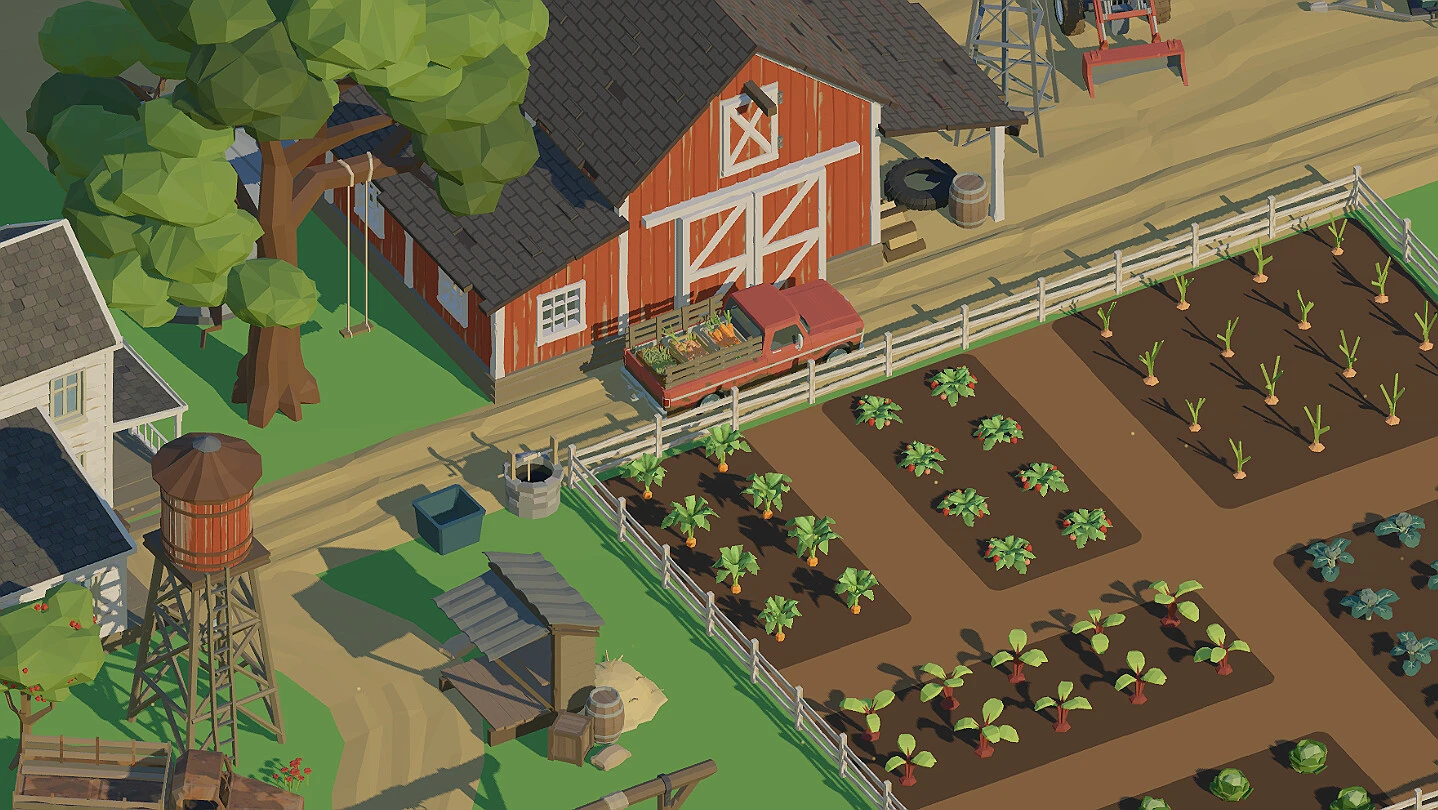
- Farm to Fortune progression guide: Build your operation around preparation, health, growth, and sales.
- First priority: Secure housing, clean water, feed storage, ventilation, and a realistic budget.
- Health control: Use a written observation routine and consult a qualified livestock professional.
- Growth planning: Track feed use, mortality, weight, space, and daily operating costs.
- Sales strategy: Choose buyers and processing requirements before the flock reaches market condition.
Farm to Fortune progression guide: Start With a Plan
The strongest Farm to Fortune progression guide begins before animals arrive. A profitable poultry operation depends on planning capacity, operating costs, labor, and market access together. Starting with a smaller flock can make it easier to identify problems before expanding.
Set a production target that matches your housing and cash flow. Do not purchase more birds than you can safely heat, feed, water, monitor, and sell. A simple written plan should also include backup funds for feed price changes, equipment repairs, and unexpected health issues.
Define the Production Target
Decide the number of birds, expected production cycle, available labor, and preferred sales method. Keep the first cycle manageable enough for daily inspection.
Calculate Core Costs
Estimate chick or stock costs, housing, bedding, feed, water, electricity, transport, labor, medication prescribed by a professional, and processing or market fees.
Prepare the Housing
Clean and disinfect the space, test the ventilation, confirm drinkers and feeders work, and make sure the enclosure can protect the flock from weather and predators.
Confirm the Buyer
Contact local buyers, restaurants, households, processors, or market vendors before production begins. Ask about preferred size, delivery timing, and handling requirements.
| Planning Area | Main Question | Practical Check |
|---|---|---|
| Capacity | How many birds can the house support? | Match flock size to usable floor space and airflow. |
| Budget | Can operating costs be covered through sale? | Include feed, transport, utilities, labor, and losses. |
| Labor | Who will inspect the flock every day? | Assign a named person for feeding and observation. |
| Market | Who will purchase the finished birds? | Confirm buyer expectations before placement. |
Housing Readiness
- Dry, clean floor
- Reliable airflow
- Safe temperature control
- Protection from predators
Resource Readiness
- Feed storage
- Clean water supply
- Backup lighting or power
- Basic cleaning tools
Business Readiness
- Written cost estimate
- Sales contacts
- Transport plan
- Emergency reserve
Treat space, water, ventilation, and labor as production limits. Feed alone cannot compensate for an overcrowded or poorly managed house.
Early Care, Biosecurity, and Daily Observation
The opening period establishes the foundation for the rest of the cycle. Young poultry are sensitive to temperature, drafts, dehydration, poor sanitation, and delayed attention. Prepare the environment before arrival so the flock can settle without unnecessary handling.
Use the birds’ behavior as one indicator of comfort. Clustering may suggest cold stress, while moving away from the heat source can indicate excessive warmth. Even distribution, normal activity, and regular access to feed and water are more encouraging signs, but unusual behavior should be investigated promptly.
| Observation | Possible Concern | First Management Response |
|---|---|---|
| Birds cluster tightly | Cold stress or drafts | Review heat distribution and block direct drafts. |
| Birds avoid the heat area | Excessive warmth | Improve airflow and reduce heat carefully. |
| Reduced eating or drinking | Stress, water issue, or illness | Check water access, feed quality, and flock behavior. |
| Wet bedding | Leaking drinkers or poor airflow | Repair equipment and replace affected bedding. |
| Persistent coughing or weakness | Possible health problem | Isolate concern where appropriate and contact a professional. |
Build biosecurity into ordinary routines:
- Limit unnecessary visitors and equipment movement.
- Keep footwear and tools used in the poultry area clean.
- Remove wet bedding before it affects the wider house.
- Store feed in a dry, protected location.
- Observe the flock before entering other animal areas.
- Record unusual deaths, injuries, or changes in consumption.
Do not guess at medication or vaccination decisions. Requirements vary by location, species, and disease risk, so use a schedule from a licensed veterinarian or agricultural authority.
Managing Growth Without Losing Control
As the flock develops, daily feed and water demand increase. This is where weak routines become expensive. The goal is not simply faster growth; it is consistent growth with acceptable health, space, and operating costs.
Check the house at least once each day and record the results. Useful records include feed added, water use, mortality, unusual behavior, bedding condition, temperature observations, and average weights from a small sample. These records help identify changes before they become large losses.
| Metric | Why It Matters | How to Use It |
|---|---|---|
| Feed use | Shows consumption and cost movement. | Compare daily use with flock size and growth. |
| Water use | Helps reveal access or health changes. | Investigate sudden increases or decreases. |
| Mortality | Signals possible management or health problems. | Record timing and seek professional guidance. |
| Sample weight | Shows whether growth is consistent. | Weigh a representative sample on a fixed schedule. |
| Bedding condition | Reflects moisture and ventilation control. | Replace wet areas and correct the source. |
Avoid making several major changes at once. If you change feed, housing density, handling, and routine simultaneously, it becomes difficult to identify what caused a positive or negative result. Make one controlled adjustment when possible, then monitor the outcome.
A simple notebook or spreadsheet is enough. Consistent records are more useful than complicated software that nobody updates.
Feed, Water, and Space
Feed should be appropriate for the birds’ stage and supplied according to local professional guidance. Keep it protected from moisture, pests, and contamination. Water containers need regular cleaning because dirty drinkers can undermine otherwise careful management.
Space requirements depend on bird type, housing design, climate, ventilation, and local standards. As birds become larger, reassess whether the current enclosure still supports comfortable movement and airflow. Overcrowding can increase stress, moisture, heat, and disease pressure.
Feed Control
Use suitable feed, protect storage, monitor waste, and record consumption.
Water Control
Provide reliable access, clean drinkers regularly, and check for leaks.
Environment Control
Reduce dampness, maintain airflow, and adjust housing as birds grow.
Preparing for Market and Protecting Margin
The finishing stage is a business decision as much as a production stage. Avoid waiting until the flock is ready before thinking about buyers, transport, labor, processing, or payment. A clear sales plan reduces last-minute stress and helps protect the margin.
Possible sales routes include live sales, direct household orders, restaurants, retailers, or processed products. Each route may involve different requirements for timing, weight, packaging, transport, hygiene, and local compliance. Choose the route that matches your equipment and market access rather than assuming one option is always better.
| Sales Route | Advantages | Planning Considerations |
|---|---|---|
| Live sale | Simple handoff and limited processing equipment. | Buyer controls final processing and may negotiate price. |
| Direct household sale | Builds repeat relationships and local demand. | Requires scheduling, communication, and reliable delivery. |
| Restaurant supply | Can provide recurring orders. | Requires consistent size, timing, quality, and documentation. |
| Processed sale | May improve value per bird. | Requires approved facilities, packaging, cold storage, and compliance. |
Use a margin calculation instead of focusing only on revenue:
Estimated margin = sales revenue − total operating costs
Include costs that are easy to overlook:
- Feed waste and price changes
- Bedding and cleaning supplies
- Electricity, fuel, and water
- Transport and market fees
- Labor and processing
- Losses from mortality or rejected products
- Equipment maintenance and replacement
Market Readiness Checklist:
- Confirm buyer, order size, and delivery date
- Review flock condition and expected sale timing
- Prepare transport crates or approved handling equipment
- Calculate total costs and expected margin
- Confirm processing, storage, and local compliance requirements
The highest selling price is not automatically the best result. Compare net margin, labor, risk, transport, and customer reliability before choosing a sales channel.
Reviewing the Cycle and Planning the Next One
A successful operation improves by reviewing each cycle. After sales are complete, compare the original plan with actual results. Look at bird numbers, total feed, mortality, average sale value, labor hours, transport costs, and customer feedback.
Separate controllable problems from outside pressures. Feed price changes or weather may be difficult to control, but late ordering, poor records, leaking drinkers, weak cleaning routines, and uncertain buyers can often be improved before the next cycle.
| Review Category | Questions to Ask | Next-Cycle Action |
|---|---|---|
| Production | Did growth and flock condition match expectations? | Adjust observation, space, or professional support. |
| Costs | Which expense exceeded the estimate? | Update the budget and identify avoidable waste. |
| Health | When did concerns first appear? | Improve records and review the health plan. |
| Sales | Which buyers paid reliably? | Prioritize dependable channels and repeat orders. |
| Labor | Were daily tasks completed on time? | Simplify routines or assign additional help. |
Keep the next cycle only as large as your evidence supports. Expansion should follow reliable housing, stable sales, adequate labor, and enough working capital. A controlled increase is usually easier to manage than a sudden jump that exposes weaknesses.
Write down three improvements immediately after selling the flock. Waiting several weeks makes useful details easier to forget.
Q: What is the main focus of a Farm to Fortune progression guide?
The main focus is moving from preparation to production and sales while controlling health risks, operating costs, labor, and market timing.
Q: How large should a first poultry flock be?
Start with a number that matches your housing, water supply, labor, budget, and ability to inspect the flock every day. A smaller first cycle can reveal problems at lower risk.
Q: How can I tell whether the flock is progressing well?
Track feed and water use, mortality, behavior, bedding condition, and sample weights. Consistent records are more useful than relying on appearance alone.
Q: Should I sell birds live or as processed products?
The better option depends on local rules, equipment, customer demand, labor, storage, and net margin. Compare total costs and responsibilities before choosing.