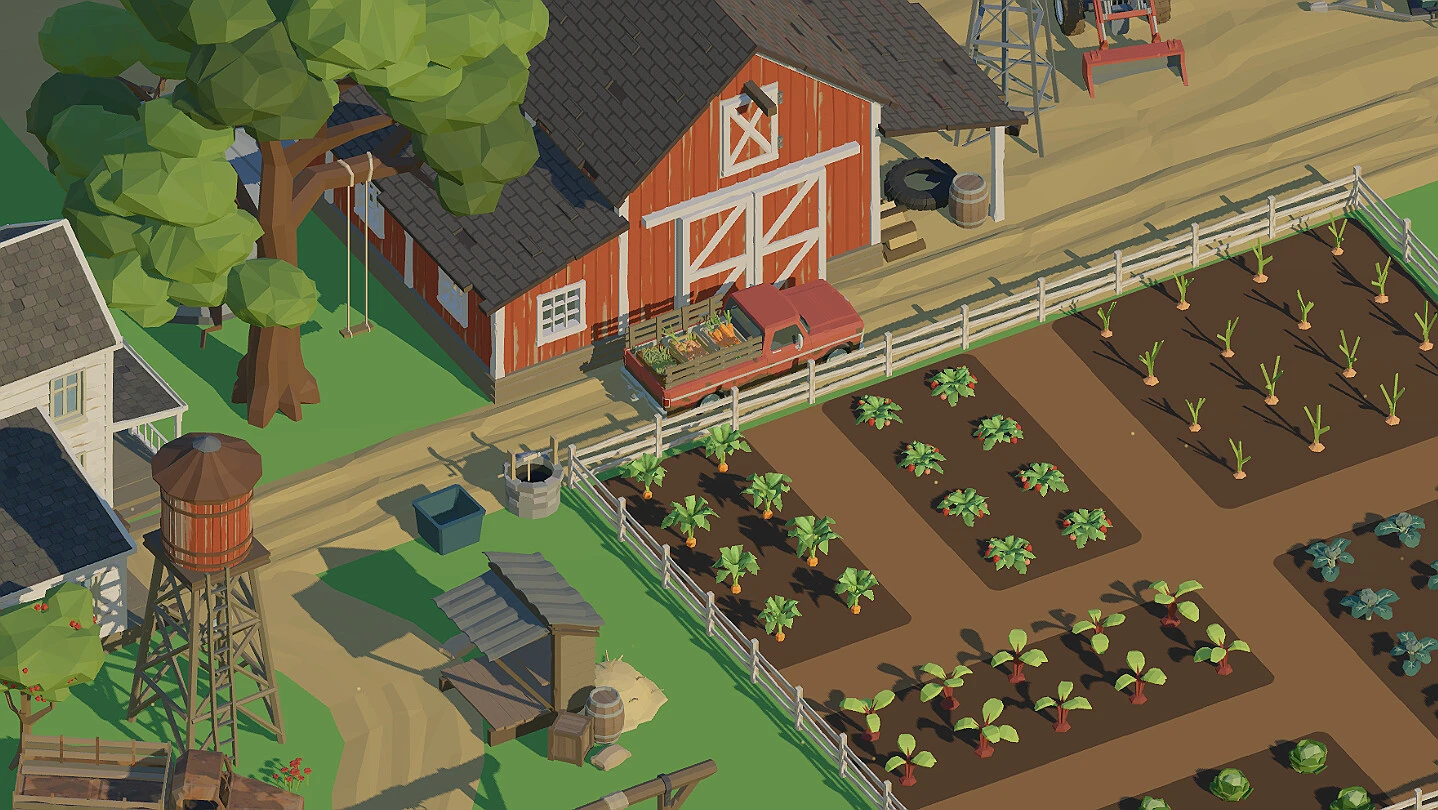
- Farm to Fortune best crops favor specialty products over low-margin commodity crops.
- Fastest turnover comes from microgreens and gourmet mushrooms grown in controlled spaces.
- Highest long-term value comes from truffles, American ginseng, and established perennial crops.
- Best diversification combines a quick crop, a durable perennial, and one value-added product line.
- Revenue figures are planning benchmarks, not guaranteed returns; local demand and growing conditions matter.
Farm to Fortune Best Crops Ranked by Strategy
The best crop depends on your land, climate, available labor, and sales channel. The strongest small-farm opportunities generally share three traits: a premium market, limited direct competition, and several ways to sell the harvest. That is why specialty garlic, lavender, elderberries, saffron, mushrooms, and microgreens can outperform traditional commodity crops in the right setup.
The rankings below focus on earning potential, speed, scalability, and difficulty. They are not a promise of profit. Use them to narrow your options before checking local regulations, buyer demand, soil conditions, and startup costs.
| Rank | Crop | Main Advantage | Typical Time Horizon | Difficulty |
|---|---|---|---|---|
| 1 | Truffles | Very high long-term value | 5–8 years to production | High |
| 2 | American ginseng | Premium roots and shaded growing | 5–7 years | High |
| 3 | Saffron | High value in a compact field | Seasonal harvest | Moderate |
| 4 | Gourmet mushrooms | Indoor production and rapid cycles | 7–10 days per cycle | Moderate |
| 5 | Microgreens | Fast turnover and small-space production | 7–14 days | Moderate |
| 6 | Wasabi | Luxury market and multiple plant parts | Multi-year setup | Very high |
| 7 | Specialty garlic | Strong storage and artisan demand | One growing season | Low to moderate |
| 8 | Lavender | Products, agritourism, and wellness sales | Perennial | Moderate |
| 9 | Elderberries | Durable perennial and processed goods | Established bushes | Low to moderate |
| 10 | Bamboo | Long-term renewable material crop | Multi-year establishment | Moderate |
Start with the crop that matches your existing resources, not the crop with the largest headline number. A modest operation with dependable buyers can outperform a more ambitious project without a sales plan.
Fast Cash Flow
Microgreens and gourmet mushrooms offer short production cycles and can fit in a spare room, garage, basement, or small grow area.
Field-Based Growth
Specialty garlic, saffron, and lavender suit growers who want premium products from open land.
Legacy Assets
Truffles, ginseng, and bamboo require patience but can create long-term value from established plantings.
Best Crops for Fast Returns and Small Spaces
Controlled-environment crops are attractive because they reduce dependence on acreage and weather. Microgreens can be harvested within 7 to 14 days, while oyster mushrooms may move from inoculation to harvest in roughly 7 to 10 days under suitable conditions. These timelines support repeated production cycles, but they also demand reliable sanitation, climate control, packaging, and customer relationships.
Microgreens are especially suited to restaurant accounts, local grocers, meal-prep services, and direct consumers. Gourmet mushrooms can serve restaurants, specialty food stores, wellness brands, and farmers markets. In both cases, consistent quality matters more than simply growing a large volume.
| Crop | Space Profile | Harvest Window | Strongest Buyers | Main Constraint |
|---|---|---|---|---|
| Microgreens | Shelves, racks, small grow room | 7–14 days | Restaurants, grocers, direct customers | Short shelf life |
| Oyster mushrooms | Basement, barn, garage, or grow room | About 7–10 days under suitable conditions | Restaurants, markets, specialty stores | Humidity and contamination control |
| Lion’s mane mushrooms | Indoor controlled environment | Fast-cycle specialty production | Wellness and culinary buyers | More specialized demand |
| Gourmet mushroom mix | Indoor batch production | Multiple staggered cycles | Distributors and chefs | Requires consistent scheduling |
Choose a Repeatable Product
Begin with one or two varieties rather than a broad catalog. Select products that can be harvested, packed, and delivered on a predictable schedule.
Test Buyers Before Scaling
Contact restaurants, grocers, market vendors, and local consumers before expanding equipment. Confirm preferred pack sizes, delivery days, and acceptable prices.
Build a Controlled Routine
Track temperature, humidity, lighting, sanitation, seeding, inoculation, harvest weight, and waste. Consistency is the foundation of repeat orders.
Add Value After Demand Is Proven
Consider mixes, dried products, powders, or branded boxes only after the fresh product has reliable buyers and clear labeling requirements.
High selling prices do not equal high profit. Packaging, spoilage, electricity, delivery time, labor, growing media, and unsold inventory can reduce the final margin quickly.
Premium Field Crops and Value-Added Sales
Open-field specialty crops can create several revenue streams from one planting. Lavender may produce dried flowers, essential oils, soaps, candles, teas, and visitor experiences. Specialty garlic can be sold fresh, cured, braided, or transformed into salts, infused oils, and seasoning blends. Saffron offers a compact, premium harvest, while elderberries can support syrups, teas, gummies, and other processed goods.
The key principle is to avoid relying on raw harvest sales alone. A farm can capture more value by combining wholesale orders with direct-to-consumer products, workshops, seasonal events, or agritourism. Those additions require branding and compliance work, but they can make a small harvest more commercially useful.
| Crop | Raw Product Opportunity | Value-Added Options | Sales Advantage |
|---|---|---|---|
| Lavender | Dried flowers and bundles | Oils, soaps, candles, teas, events | Strong visual identity |
| Specialty garlic | Fresh or cured bulbs | Salt, oils, powders, gift boxes | Stores for months when cured |
| Saffron | Hand-harvested threads | Gift jars, culinary sets, farm experiences | High value per compact harvest |
| Elderberries | Fresh or frozen berries | Syrups, teas, gummies, supplements | Perennial wellness appeal |
| Bamboo | Poles and shoots | Furniture, flooring, paper, craft goods | Renewable materials market |
Specialty garlic is one of the most approachable starting points because it combines premium varieties, manageable field production, storage flexibility, and several simple product extensions.
A practical sales ladder looks like this:
- Sell fresh or dried produce to establish demand.
- Offer consistent packaging and clear product information.
- Introduce a shelf-stable product after confirming repeat purchases.
- Create seasonal bundles for holidays, markets, or farm events.
- Build a recognizable story around variety, location, growing method, or craftsmanship.
Lavender and elderberries also benefit from experiences. A lavender operation can add photography sessions, workshops, weddings, or wellness events. Elderberry growers can partner with local processors or develop a signature syrup. These channels may require permits, insurance, food-safety procedures, and careful labeling, so expansion should follow local rules rather than assumptions.
Long-Term Crops: Truffles, Ginseng, Bamboo, and Wasabi
Some of the most valuable crops in the source material are not quick-return projects. Truffles may take 5 to 8 years before meaningful production. American ginseng commonly requires about 5 to 7 years for mature roots. Bamboo can continue producing from established plantings for decades, while wasabi demands precise temperature, humidity, light, and water conditions.
These crops suit growers who can wait, manage risk, and protect a specialized market. They should not be treated like emergency income sources. A long-term planting works best when paired with faster crops that help support operating expenses during the establishment period.
| Crop | Establishment Profile | Potential Strength | Planning Risk |
|---|---|---|---|
| Truffles | Trees mature over several years | Premium underground fungi market | Long wait and site suitability |
| American ginseng | Shaded, forest-like conditions | High-value mature roots | Theft, disease, and delayed harvest |
| Bamboo | Perennial planting | Renewable materials and shoots | Containment and local demand |
| Wasabi | Controlled water and climate | Luxury culinary pricing | High setup complexity |
| Saffron | Seasonal field crop | Premium spice from compact acreage | Labor-intensive harvest timing |
Do not fund a five-year crop with a five-week expectation. Build a separate cash-flow plan for establishment, maintenance, failed seasons, market development, and delayed harvests.
A balanced farm portfolio can include:
- One quick-cycle crop: microgreens or gourmet mushrooms.
- One annual field crop: specialty garlic or saffron.
- One perennial product: lavender or elderberries.
- One long-term trial: truffles, ginseng, bamboo, or another crop suited to the land.
Wasabi deserves particular caution. Its premium price reflects difficult production requirements, including stable temperatures, high humidity, filtered light, and carefully managed water. A grower should validate the system on a small scale before investing in a larger greenhouse or hydroponic installation.
Choosing the Right Crop and Building a Profitable Route
The most reliable decision process begins with the market, not the seed catalog. A crop may be technically suitable for your land yet commercially weak in your area. Before planting, identify who will buy the product, how often they need it, what format they prefer, and how far you can deliver without losing the margin.
Use the following checklist before committing major funds.
Pre-Planting Checklist:
- Confirm at least three realistic buyer channels
- Check soil, water, shade, temperature, and drainage requirements
- Calculate labor, packaging, delivery, utilities, and spoilage costs
- Test a small production batch before expanding acreage or equipment
- Verify licenses, food-safety rules, labeling, insurance, and processing requirements
| Decision Factor | Fast-Cycle Crops | Field Specialty Crops | Long-Term Crops |
|---|---|---|---|
| Initial cash flow | Faster | Seasonal | Delayed |
| Space requirement | Low to moderate | Moderate to high | Moderate to high |
| Main sales need | Frequent repeat buyers | Branding and local markets | Patient premium buyers |
| Operational focus | Climate and sanitation | Soil, harvest, and storage | Site selection and protection |
| Best use | Early revenue testing | Balanced farm income | Long-term asset building |
A diversified operation does not need ten crops. Two or three complementary products can be enough if their harvest windows, buyers, and labor demands do not collide.
For many small farms, the most practical starting route is specialty garlic or microgreens, followed by a value-added product once demand becomes predictable. Lavender and elderberries can strengthen a perennial portfolio, while truffles or ginseng may fit a separate long-term section of the property. The right mix depends on the farm’s climate, land access, labor capacity, and ability to reach premium customers.
The strongest operators sell more than an ingredient. They sell reliability, traceability, flavor, convenience, education, or an experience. That positioning can matter as much as yield.
Farm to Fortune Best Crops FAQ
Q: What are the best Farm to Fortune best crops for beginners?
Specialty garlic, microgreens, lavender, and elderberries are approachable starting points when matched with suitable conditions and local buyers. Microgreens offer faster feedback, while garlic provides storage flexibility.
Q: Which crops can produce the fastest sales cycle?
Microgreens and gourmet mushrooms can offer the shortest production windows, with source benchmarks of roughly 7–14 days for microgreens and about 7–10 days for some mushroom cycles under suitable conditions.
Q: Are truffles and American ginseng good choices for quick income?
No. Both are long-term projects. Truffles may require approximately 5–8 years to begin producing, while American ginseng often takes about 5–7 years for mature roots.
Q: How can a small farm increase crop profitability?
Combine direct sales with value-added products, consistent packaging, repeat buyer relationships, workshops, or agritourism. Processing and branding can capture more value than selling raw harvest alone.
Choose one crop for fast learning, one crop for dependable seasonal sales, and one longer-term opportunity only after confirming buyers and production conditions.