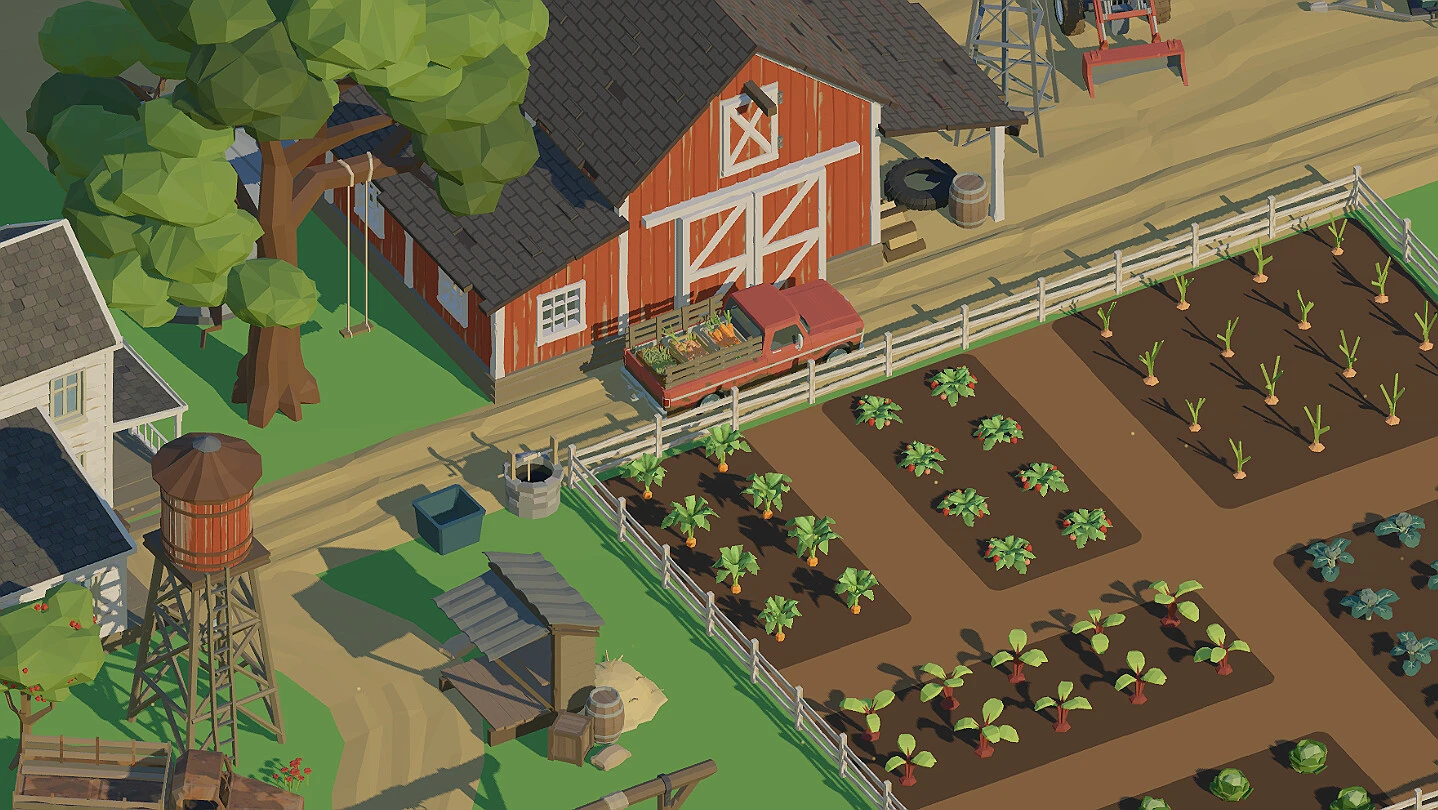
- Farm to Fortune upgrade guide: Start with records, housing, feed control, and reliable daily routines.
- Best first upgrade: Improve the system that causes the greatest recurring loss before adding new capacity.
- Feed strategy: Match feed quality and quantity to the production stage instead of choosing only by price.
- Cost control: Track feed use, mortality, labor, and sales separately for clearer decisions.
- Scaling rule: Expand only after the current flock or production cycle performs consistently.
Farm to Fortune upgrade guide: Start With an Audit
A successful farm upgrade begins with measurement rather than construction. Before buying equipment, adding animals, or increasing production, record how the farm currently operates. This baseline helps identify whether the largest problem is feed waste, poor housing, inconsistent water access, weak biosecurity, labor inefficiency, or unclear sales planning.
Review at least one complete production cycle when possible. If a full cycle is not available, use the most recent records and label estimates clearly. The purpose is not to create perfect accounting immediately. The purpose is to understand where money, time, and output are being lost.
Upgrade the bottleneck that affects every production day. A simple improvement in feed storage or water reliability may create more value than an expensive expansion.
Record the current operation
| Area | What to record | Why it matters |
|---|---|---|
| Inputs | Feed, water, medication, bedding, fuel | Shows recurring operating costs |
| Labor | Daily tasks, hours, missed routines | Reveals avoidable delays |
| Housing | Capacity, ventilation, leaks, heat stress | Connects infrastructure to animal performance |
| Health | Illness, mortality, treatment dates | Helps identify preventable risk |
| Output | Weight, sale date, quantity, rejected stock | Measures production consistency |
| Sales | Buyer, price, transport, payment timing | Shows whether revenue covers the cycle |
Use a notebook, spreadsheet, or farm-management app. Keep the format simple enough that every worker can update it. A complicated system that is never maintained is less useful than a basic daily log.
Find the highest-impact weakness
Rank each problem by frequency, cost, and production effect. For example, a small feed spill that happens every day may deserve attention before a one-time equipment repair. Likewise, an unreliable water supply can affect the whole operation even when feed quality is good.
A practical priority score can use three questions:
- Does this problem happen often?
- Does it increase cost or reduce output?
- Can the farm solve it with available resources?
The highest combined score should normally receive the first upgrade budget.
Feed and Resource Upgrades
Feed is often one of the largest recurring expenses in livestock production, so feed management should be treated as a system rather than a single purchase. The goal is to provide suitable nutrition, reduce waste, protect storage quality, and keep records that support better buying decisions.
Do not compare feed bags by price alone. Compare the price with the stated nutrient profile, expected use, storage life, and performance within your own operation. A cheaper product may not be economical if it creates more waste or produces inconsistent results. A higher-priced product may also be a poor choice if the farm cannot use it correctly.
Build a feed control system
| Upgrade area | Basic improvement | Stronger improvement | Success measure |
|---|---|---|---|
| Storage | Keep bags off the floor | Use pallets, sealed bins, and ventilation | Less spoilage and contamination |
| Purchasing | Buy whenever stock runs low | Set reorder points and approved suppliers | Fewer emergency purchases |
| Measuring | Use visual estimates | Weigh daily feed issues | More accurate feed records |
| Distribution | Fill feeders without a routine | Adjust feeder height and fill levels | Less spillage |
| Quality checks | Inspect bags occasionally | Check labels, smell, moisture, and damage | Fewer rejected inputs |
| Rotation | Use old and new stock randomly | Apply first-in, first-out storage | Lower expiry risk |
Feed should be protected from moisture, rodents, insects, and direct exposure to weather. Keep a clear separation between new stock, opened stock, and damaged stock. Mark opening dates so older feed is used first.
Never change feed, supplements, or treatment routines abruptly without checking the product instructions and consulting a qualified livestock professional. Sudden changes can create avoidable stress and inconsistent results.
Match resources to production stages
Different production stages may require different feed characteristics and management practices. Instead of copying another farm’s schedule exactly, compare the product label with the needs of the animals, the planned sale age, and the farm’s production target.
| Production stage | Management focus | Feed decision | Record to review |
|---|---|---|---|
| Early stage | Stable temperature, clean water, easy access | Use a suitable starter formulation | Daily intake and early losses |
| Growth stage | Space, ventilation, consistent access | Review nutrient profile and waste | Growth trend and feed use |
| Finishing stage | Sale timing, condition, market demand | Avoid overbuying near the sale date | Final weight and total cost |
| Extended cycle | Housing capacity and cash flow | Recalculate whether lower-cost feed remains practical | Added days versus added revenue |
The most useful comparison is not “Which brand is best?” It is “Which option fits this stage, this budget, and this production target?” Keep supplier labels and receipts so the farm can compare results across cycles.
Housing, Water, and Daily Reliability
Infrastructure upgrades should protect the production system from predictable disruption. Good housing is not defined only by size. It must also support cleaning, airflow, drainage, safe movement, and reliable access to feed and water.
Begin with repairs that affect health or daily labor. Fix leaks, blocked drains, broken doors, sharp edges, damaged fencing, and unstable electrical connections before adding decorative improvements. These repairs usually improve safety and reduce repeated maintenance.
Water Reliability
- Keep drinking points clean and accessible
- Check flow and leaks daily
- Maintain a backup plan for interruptions
Housing Control
- Improve ventilation without creating harmful drafts
- Keep bedding dry
- Separate crowded or vulnerable groups
Biosecurity
- Limit unnecessary visitors
- Clean tools between areas
- Isolate visibly sick animals promptly
Use a practical inspection route
Walk the farm in the same order every day. A fixed route reduces the chance of overlooking a problem and makes it easier to train staff. Begin with water, then inspect feed, housing, animal condition, waste areas, and storage.
| Inspection point | Check | Immediate response |
|---|---|---|
| Water points | Flow, cleanliness, leaks | Clean, repair, or replace |
| Feeders | Damage, contamination, excess spillage | Adjust height and remove spoiled feed |
| Housing | Heat, dampness, airflow, crowding | Improve ventilation or redistribute space |
| Animals | Activity, appetite, injuries, unusual behavior | Isolate concerns and seek professional advice |
| Waste area | Drainage, odor, buildup | Remove waste and improve disposal routine |
| Storage | Moisture, pests, damaged bags | Quarantine compromised stock |
A good upgrade makes the correct daily action easier to perform. If workers must remember too many exceptions, simplify the layout, labels, and inspection route.
Step-by-Step Upgrade Plan
Use the following process to turn observations into a controlled improvement plan. Complete each step before committing to the next major expense.
Define the Production Target
Decide what the farm is trying to improve during the next cycle: lower feed waste, better survival, faster turnover, improved sale weight, or more dependable delivery. Choose one primary target and two supporting measures.
Measure the Current Baseline
Record starting stock, feed purchased, daily feed use, water issues, labor time, health events, sale quantity, and total revenue. Separate confirmed figures from estimates.
Fix Low-Cost Bottlenecks
Repair leaks, improve storage, label supplies, adjust feeders, clean water points, and standardize daily checks. These changes should come before expansion when they affect recurring losses.
Test One Major Change
Introduce one significant upgrade at a time, such as new storage equipment or a revised feeding routine. A single change makes the result easier to evaluate.
Review and Scale Carefully
Compare the new cycle with the baseline. Keep the upgrade if it improves the target without creating a larger problem elsewhere. Expand only after the process is repeatable.
Create a simple budget
| Budget category | Include | Review question |
|---|---|---|
| Essential repairs | Water, housing, storage, safety | Does this prevent recurring loss? |
| Operating inputs | Feed, bedding, fuel, health supplies | Can usage be measured daily? |
| Labor improvements | Tools, layout changes, training | Does this save time or reduce errors? |
| Expansion | Extra housing, equipment, stock | Is current performance stable enough? |
| Contingency | Unexpected repairs or health events | Can the farm continue without emergency debt? |
Separate one-time upgrades from recurring costs. A new feeder may be purchased once, but the feed stored, wasted, and consumed through that feeder affects every future cycle.
Tracking Results and Preparing to Scale
An upgrade is only useful when its effect can be reviewed. Track a small number of indicators consistently rather than collecting many figures that no one uses. The most practical dashboard includes input cost, output quantity, health events, labor effort, and sales performance.
Review results weekly during the cycle and complete a full review after sales. Look for trends instead of reacting to one unusual day. For example, a single increase in feed use may not indicate failure, but repeated unexplained increases deserve investigation.
| Key metric | Simple formula | Interpretation |
|---|---|---|
| Feed cost per unit sold | Total feed cost ÷ units sold | Shows the feed burden on each sale |
| Mortality rate | Losses ÷ starting stock × 100 | Tracks health and management risk |
| Sale conversion | Units sold ÷ starting stock × 100 | Shows how much stock reached sale |
| Labor efficiency | Output ÷ labor hours | Helps evaluate layout and routines |
| Net cycle result | Revenue − total cycle cost | Shows whether the upgrade improved returns |
Use the same definitions each cycle. Changing the formula halfway through makes comparisons unreliable. Keep receipts, supplier names, dates, and quantities together with the production log.
Before the Next Expansion:
- Confirm the current housing can support the planned capacity
- Verify feed storage is dry, secure, and easy to rotate
- Review water reliability and backup arrangements
- Compare the latest cycle with the recorded baseline
- Set a cash reserve for repairs and unexpected health costs
Expansion should follow repeatability. If the farm cannot maintain records, clean routines, water access, and consistent feed handling at its current size, increasing capacity usually multiplies the same weaknesses.
Farm to Fortune Upgrade FAQ
The following answers summarize the most practical decisions for planning a controlled farm improvement cycle.
Q: What should I upgrade first on a small farm?
Start with the recurring bottleneck that affects daily production. Common priorities include water reliability, feed storage, feeder adjustment, ventilation, drainage, and simple recordkeeping. Choose the issue that combines high frequency, meaningful cost, and a realistic solution.
Q: Is the cheapest feed always the best choice?
No. Compare the product label, suitability for the production stage, storage condition, waste level, and results in your own operation. A lower purchase price may not produce a lower total cost if it causes more waste or inconsistent performance.
Q: How can I reduce feed waste without reducing access?
Keep feeders stable, set them at a suitable height, avoid overfilling, remove spoiled material, and record the amount issued each day. The goal is controlled access with less spillage, not restricting animals from necessary feed.
Q: When is the farm ready to expand?
Expansion is more reasonable when the current cycle is repeatable, housing and water systems have spare capacity, records are maintained, labor routines are reliable, and the budget includes recurring costs as well as emergency repairs.
Treat every upgrade as a measured experiment. Define the target, record the baseline, change one major factor, and review the result before investing in additional capacity.