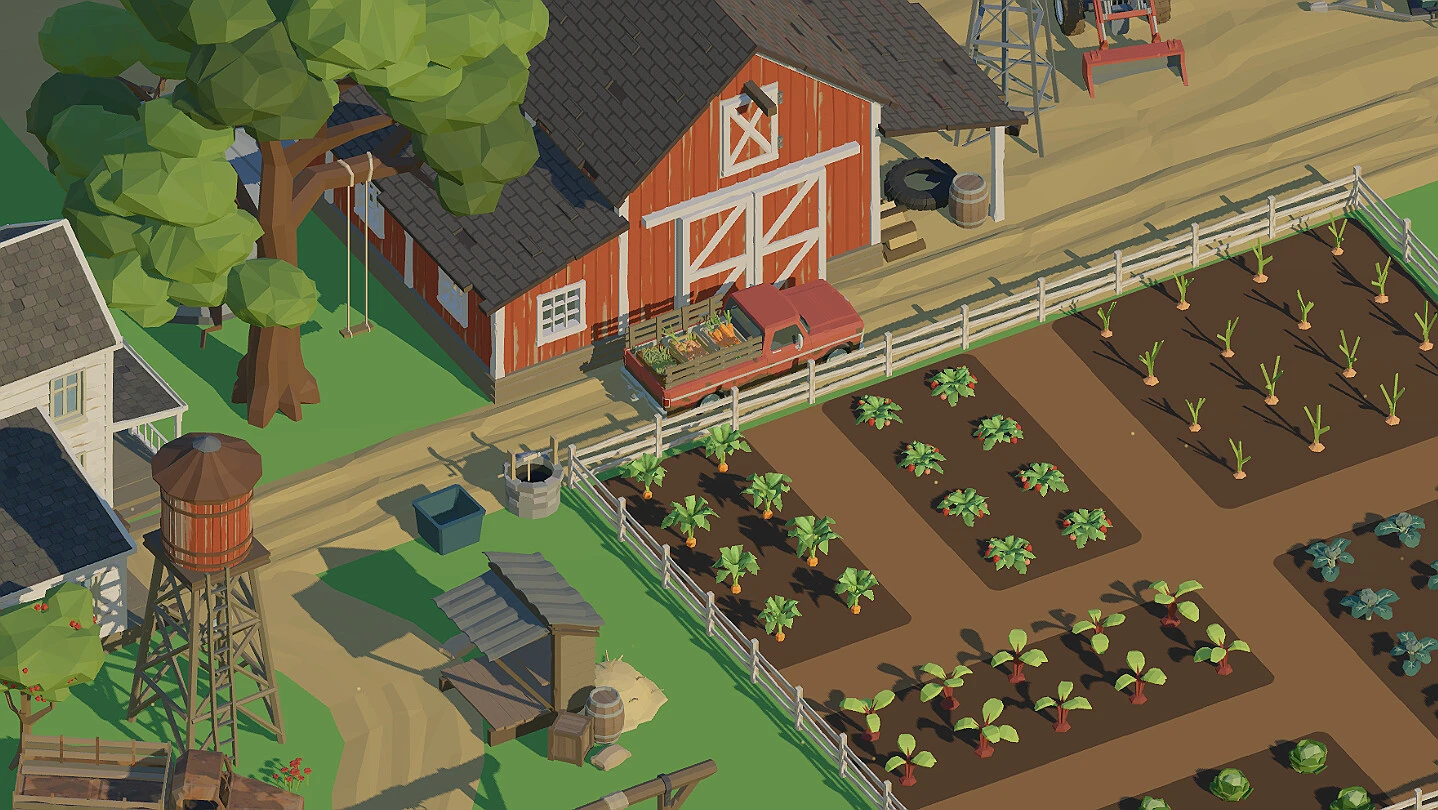
- Farm to Fortune beginner guide: Build a stable production loop before chasing expensive upgrades.
- First priority: Keep planting, harvesting, storage, and selling activities connected.
- Resource rule: Reserve materials for tools, capacity, and required progression objectives.
- Best habit: Check active tasks before spending coins or clearing valuable space.
- Long-term goal: Expand only when your current layout consistently supports the next upgrade.
Farm to Fortune beginner guide: Start With a Stable Loop
Farm to Fortune rewards players who create a reliable daily rhythm instead of spending every resource immediately. Your opening objective is not maximum expansion. It is a farm that can produce, store, and sell goods without regularly running out of space, energy, materials, or coins.
Begin by learning the relationship between your main activities. Planting creates future harvests, harvesting supplies production, production creates sellable goods, and selling funds improvements. If one part of this chain is ignored, progress slows even when the farm looks busy.
Production
Focus on repeatable goods that match your current storage and available materials. Avoid filling the queue with items you cannot finish soon.
Storage
Keep enough open capacity for the next harvest. A full inventory can delay several actions at once.
Orders
Use available tasks to decide what deserves priority. Favor objectives that advance progress while using resources you already have.
Expansion
Expand after your current cycle is dependable. More space is useful only when you can support it with production and storage.
| Early priority | Why it matters | Beginner approach |
|---|---|---|
| Planting | Starts the next production cycle | Plant before leaving the farm |
| Harvesting | Frees growing space and adds materials | Harvest when storage has room |
| Processing | Converts basic goods into higher-value items | Queue only practical amounts |
| Selling | Provides funds for upgrades | Sell surplus after task requirements |
| Planning | Prevents wasted resources | Check objectives before spending |
Treat every action as part of a loop. Before expanding, confirm that your farm can grow resources, process them, store the results, and sell enough surplus to fund the next step.
Choose Crops and Production Priorities
Early farming decisions should balance speed, value, and availability. The most valuable item is not always the best beginner choice if it requires rare materials, long production time, or storage that you do not yet possess.
Use short-cycle options when you need quick resources for a task or upgrade. Longer-cycle options are more useful when you can return later and have enough open capacity to receive the harvest. A mixed schedule keeps the farm moving during both active and idle play.
Review Your Current Objective
Check whether the next milestone asks for crops, processed goods, coins, building materials, or a specific delivery. This determines what should receive your available space and time.
Match Production to Available Capacity
Select items that fit your current storage, field space, and processing queue. Do not begin several long recipes if they will block faster requirements.
Reserve Required Materials
Set aside materials needed for upgrades and active objectives. Selling every surplus item can leave you unable to complete the next progression step.
Sell Only the Safe Surplus
After required goods are reserved, sell the remaining stock to create coins. Reinvest those coins into capacity, tools, or improvements that remove your current bottleneck.
| Production choice | Best use | Main risk | Practical response |
|---|---|---|---|
| Fast-growing goods | Immediate tasks and quick restocking | Lower value per cycle | Use when an objective is time-sensitive |
| Long-cycle goods | Planned sessions and larger future deliveries | Ties up space and time | Start them before leaving the farm |
| Processed goods | Better value and milestone progress | Requires extra materials | Queue them after basic supply is secure |
| Mixed production | Flexible daily progress | Requires more planning | Keep one quick option and one long option active |
A strong opening routine is simple:
- Check objectives before planting.
- Harvest only when storage can accept the result.
- Keep at least one production slot available for an urgent requirement.
- Reserve upgrade materials before selling.
- Use idle time for longer cycles rather than leaving fields empty.
Do not judge an item only by its sale value. A profitable item can still slow progress if it consumes scarce materials, occupies storage, or prevents an important order from being completed.
Manage Coins, Materials, and Upgrades
Coins are most useful when they remove a specific limitation. The best early purchase is usually the upgrade that allows your existing farm to operate more smoothly, not the upgrade that merely looks impressive.
Capacity improvements are valuable when you frequently reach storage limits. Production improvements matter when queues remain active and materials are available. Land or building expansion becomes more useful after your current area is being used efficiently.
Capacity First
Choose storage or queue improvements when full inventories and blocked production are your main problems.
Efficiency Next
Improve tools, movement, or production speed when the farm has enough materials to keep those systems active.
Expansion Later
Add land or larger structures after your current space supports a consistent income cycle.
| Upgrade signal | Likely bottleneck | Recommended response |
|---|---|---|
| Storage fills quickly | Too little inventory space | Improve capacity or sell safe surplus sooner |
| Queues stay empty | Not enough inputs | Focus on crops, gathering, or basic materials |
| Orders are delayed | Poor production planning | Reserve task items before selling |
| Coins accumulate slowly | Low-value or interrupted cycles | Keep fields active and process useful surplus |
| Space feels crowded | Layout inefficiency | Rearrange first, then consider expansion |
Use this spending order as a general framework:
- Protect the production loop.
- Remove the bottleneck you encounter most often.
- Preserve materials for the next visible milestone.
- Purchase expansion only when it improves output.
- Keep a small reserve instead of spending every coin.
The reserve does not need to be large, but it should give you flexibility when a task requires an unexpected material or when a useful upgrade becomes available. A farm with no coins and no sellable surplus can be forced into a slow recovery cycle.
Your economy is healthy when you can complete regular tasks, maintain active production, and still save toward an upgrade without selling materials needed for the next milestone.
Build an Efficient Daily Routine
A routine reduces wasted actions and makes progression easier to measure. Start each visit by checking tasks, storage, production queues, and available space. Then perform actions in an order that prevents one system from blocking another.
The following routine works well for most early sessions:
Check Tasks and Inventory
Review active objectives, available materials, storage capacity, and current coins. Mark anything that must be protected before selling or crafting.
Collect Ready Goods
Harvest or collect completed items when there is enough room for them. If storage is full, sell safe surplus or complete a delivery first.
Restart Production
Replant, refill, or restart production immediately after collecting finished goods. This keeps the farm working while you handle other objectives.
Complete High-Value Objectives
Finish tasks that use current stock or directly unlock the next improvement. Avoid spending rare materials on optional actions beforehand.
Prepare for the Next Visit
Start suitable long-cycle production, clear avoidable bottlenecks, and leave enough capacity for the next collection.
| Visit phase | Action | Result |
|---|---|---|
| Review | Check tasks, storage, and coins | Prevents avoidable spending |
| Collect | Gather finished goods | Opens production space |
| Restart | Replant or queue new work | Maintains steady output |
| Deliver | Complete practical objectives | Advances progression |
| Prepare | Start the next cycle | Makes future visits efficient |
Organize the farm so related activities are easy to reach. Keep frequently used production buildings near storage when possible, and leave paths that reduce unnecessary movement. Rearranging existing objects can often improve the experience before any major expansion is needed.
A good layout is one you can understand at a glance. Group similar production buildings, keep frequently collected items accessible, and avoid filling every open tile before your next expansion decision.
Common Beginner Mistakes to Avoid
Most early setbacks come from poor timing rather than a lack of resources. Players often sell materials needed for objectives, expand before establishing income, or start production without checking storage. These mistakes create delays that compound over several visits.
Use the following corrections when progress begins to feel slow:
- Selling everything: Keep materials tied to active objectives and near-term upgrades.
- Overproducing one item: Diversify enough to answer different task requirements.
- Ignoring capacity: A full inventory can waste completed harvests and delay production.
- Expanding too early: New space increases responsibility before it increases profit.
- Leaving queues inactive: Start the next available cycle before switching objectives.
- Spending without a goal: Tie every major purchase to a clear bottleneck.
- Changing layouts constantly: Test one arrangement long enough to identify whether it improves movement and collection.
Essential Beginner Checklist:
- Check active objectives before planting or selling
- Keep enough storage space for the next harvest
- Reserve materials for upgrades and required deliveries
- Maintain at least one active production cycle
- Expand only after the current farm loop is stable
| Mistake | Immediate effect | Better habit |
|---|---|---|
| Selling required goods | Delays objectives | Reserve task materials first |
| Buying decorative upgrades early | Slows practical progress | Improve the current bottleneck |
| Filling every storage slot | Blocks collection | Keep working capacity available |
| Starting too many long recipes | Creates a queue backlog | Mix short and long cycles |
| Expanding without income | Increases upkeep pressure | Expand after consistent surplus |
If your progress stalls, do not rebuild everything immediately. Identify the single largest bottleneck, restore a basic production loop, and make one targeted improvement before changing the rest of the farm.
Farm to Fortune Beginner FAQ
Q: What should I prioritize first in Farm to Fortune?
Prioritize a stable loop of planting, collecting, processing, storing, and selling. Improve the system that interrupts this loop most often before purchasing optional upgrades.
Q: Should beginners sell every extra resource?
No. Keep materials required for active objectives and near-term upgrades. Sell only the surplus that will not interrupt your next production or progression step.
Q: Is expansion better than storage early on?
It depends on the bottleneck. Storage is usually more useful when completed goods cannot be collected, while expansion is better after your current space supports consistent production and income.
Q: How can I make progress during short play sessions?
Use quick production cycles, complete objectives using existing stock, and restart queues before leaving. Save longer cycles for periods when you will not return soon.
The key lesson from this Farm to Fortune beginner guide is to make decisions in sequence. First stabilize production, then protect materials, then improve capacity, and only afterward expand into larger goals. This approach keeps your economy flexible and makes each upgrade easier to evaluate.
Progress is easier to sustain when every session ends with a prepared next step: an active queue, available storage, reserved materials, or a clearly chosen upgrade target.