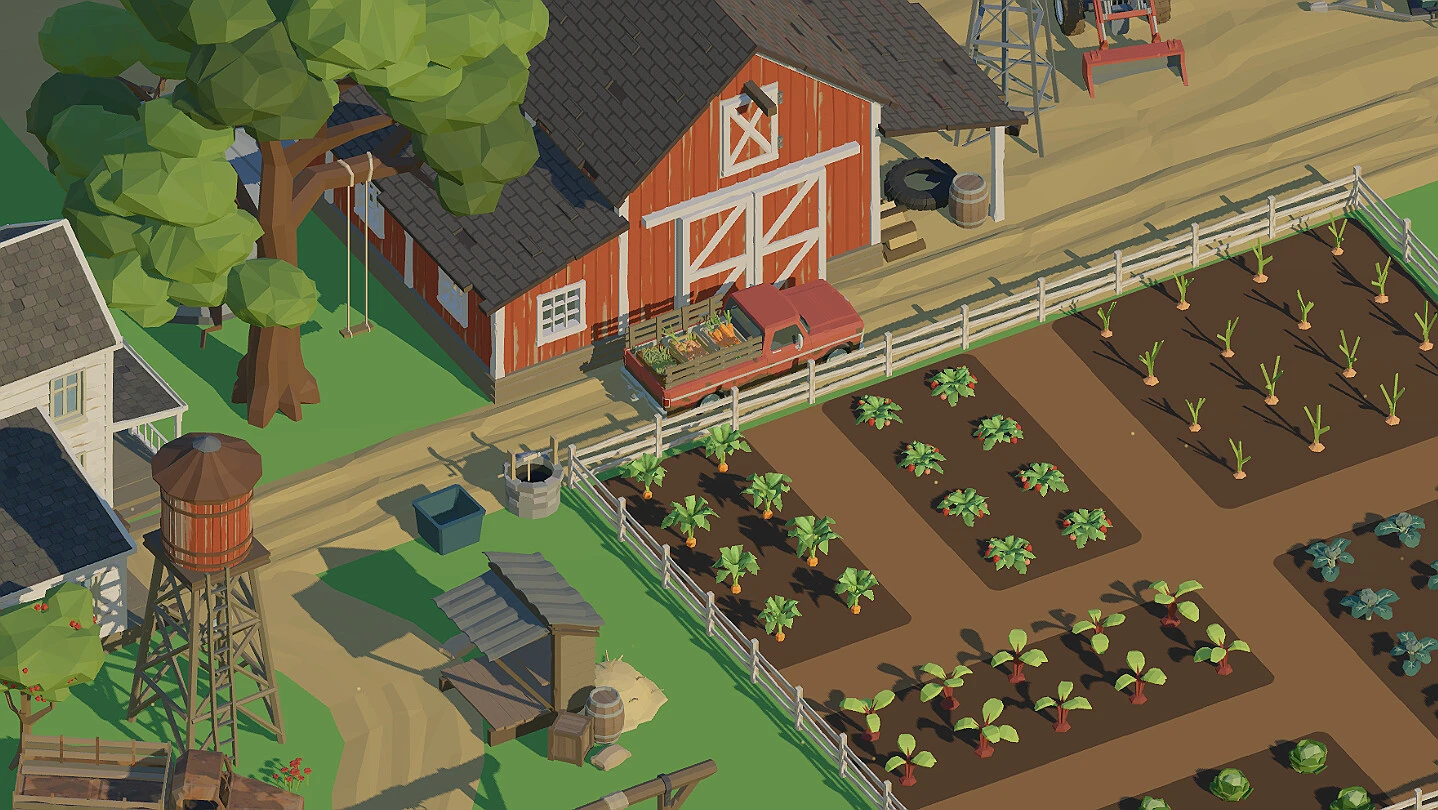
- Farm to Fortune starting guide: Begin with a small, manageable production plan.
- First priority: Confirm demand, available space, water, labor, and operating costs.
- Best approach: Track every expense before expanding livestock, crops, or equipment.
- Risk control: Use sanitation, reliable records, and an emergency reserve from day one.
- Growth goal: Reinvest profits into productivity instead of expanding too quickly.
Farm to Fortune Starting Guide: Choose Your First Model
The strongest farm businesses begin with a clear production model rather than a large purchase. Decide whether your first operation will focus on crops, poultry, livestock, eggs, processed goods, or a mixed system. Each option has different space, labor, feed, equipment, and sales requirements.
A beginner-friendly plan should match your available resources. If water access is limited, avoid crops with heavy irrigation demands. If labor is restricted, choose a system with simple daily routines. If local buyers prefer eggs, vegetables, or dressed poultry, build around that demand instead of producing goods without a reliable market.
| Farm Model | Main Inputs | Daily Attention | Sales Consideration |
|---|---|---|---|
| Vegetables | Seed, soil, water, tools | Moderate | Freshness and timing matter |
| Poultry | Chicks, housing, feed, water | High | Health and buyer access are critical |
| Egg production | Birds, feed, nesting space | Moderate | Consistent quality supports repeat sales |
| Small livestock | Animals, shelter, forage, veterinary care | Moderate | Longer production cycles require patience |
| Mixed farm | Several input categories | High | Diversifies income but increases complexity |
Start with one primary income stream and one supporting activity. For example, a vegetable operation may later add compost sales, seedlings, or simple packaged produce. A poultry operation may eventually add manure sales or replacement birds. These extensions should come after the core activity is stable.
Low-Complexity Start
- One product line
- Easier records
- Simpler purchasing
- Faster correction of mistakes
Balanced Start
- Primary crop or livestock
- One supporting product
- Moderate diversification
- Better use of by-products
Expansion Start
- Multiple production lines
- Higher labor demand
- More equipment needs
- Suitable only after reliable sales
Choose the model you can supervise consistently. A smaller, well-managed operation is usually easier to improve than a large farm with weak records.
Build the Farm Setup Before Buying Stock
A practical site plan prevents many avoidable costs. Walk the property and mark water points, storage, animal housing, crop areas, access paths, waste zones, and a secure place for tools. Keep clean production areas separated from waste handling and visitor traffic.
For livestock or poultry, prioritize ventilation, drainage, shade, predator protection, and easy cleaning. For crops, inspect sunlight, soil condition, slope, and water movement. The best layout reduces repeated walking and makes daily checks faster.
| Area | Minimum Planning Question | Common Priority |
|---|---|---|
| Water | Can water reach production areas every day? | Highest |
| Housing | Is the shelter dry, ventilated, and secure? | Highest |
| Storage | Can feed, seed, and tools stay clean and dry? | High |
| Waste handling | Where will manure, litter, or damaged produce go? | High |
| Access | Can supplies and products move without crossing clean zones? | Medium |
| Sales point | Can buyers collect goods safely and conveniently? | Medium |
Use the following setup sequence before purchasing animals, seed, or major equipment.
Confirm the Market
Speak with potential buyers, retailers, restaurants, neighbors, or local traders. Record the products they request, preferred quantities, quality expectations, and buying schedule. Treat interest as a lead until a buyer confirms a practical arrangement.
Inspect the Site
Check water availability, drainage, sunlight, road access, storage space, and security. Note any seasonal problems that could affect production during the 2026 operating year.
Create a Budget
Separate one-time setup costs from recurring costs. Include housing, tools, feed or inputs, transport, labor, health care, packaging, and unexpected repairs.
Prepare Daily Systems
Write routines for feeding, watering, cleaning, crop checks, stock counts, and record keeping. Assign responsibility for each task before production begins.
Start a Test Cycle
Run a limited first cycle and measure survival, yield, waste, labor time, selling price, and net result. Expand only after the numbers make sense.
Do not buy stock first and search for buyers later. Unsold produce, weak storage, and rushed transport can turn a promising cycle into a loss.
Control Costs and Price Products
Farm profitability depends on the difference between sale revenue and total operating cost. A useful record should include obvious expenses such as feed, seed, fertilizer, packaging, and transport, along with less visible costs such as water, repairs, labor, mortality, spoilage, and market fees.
Separate fixed costs from variable costs. Fixed costs usually remain similar across a production cycle, while variable costs rise as output increases. This distinction helps you decide whether adding more stock or planting a larger area will improve the final result.
| Cost Type | Examples | Tracking Method |
|---|---|---|
| Setup cost | Housing, tools, fencing, storage | Record once and review for replacement |
| Input cost | Seed, feed, fertilizer, medicine | Track by batch or production cycle |
| Labor cost | Daily work, hired help, delivery time | Record hours and assigned tasks |
| Selling cost | Packaging, transport, market fees | Record for every sales trip |
| Risk cost | Spoilage, mortality, repairs, emergencies | Keep a separate reserve category |
Use a simple product calculation:
Estimated net result = total sales − total operating costs
For each product, record:
| Metric | What to Record | Why It Matters |
|---|---|---|
| Units produced | Number harvested, raised, or sold | Shows actual output |
| Total cost | All expenses linked to the cycle | Prevents underpricing |
| Selling price | Price received per unit | Measures market performance |
| Waste or loss | Damaged, spoiled, or unsold units | Identifies process problems |
| Net result | Revenue after operating costs | Guides the next decision |
Price for repeatability, not just for one quick sale. A low price may attract buyers but fail to cover transport, packaging, labor, and replacement costs. A high price may protect margins but reduce demand if the product does not offer clear value. Review pricing after each cycle and document why it changed.
Before expansion, confirm that the current cycle covers its operating costs and leaves enough cash for the next cycle. Revenue alone is not the same as profit.
Protect Health, Quality, and Supply
Strong farm management is built on prevention. Clean housing, safe water, controlled visitor access, proper storage, and routine observation reduce the chance that a small issue becomes an expensive production failure. Keep a written log for animal behavior, feed intake, crop condition, mortality, disease signs, and unusual weather.
For livestock and poultry, use qualified veterinary guidance for vaccination, medication, diagnosis, and treatment. Do not guess at dosages or delay professional help when animals show severe or rapidly spreading symptoms. For crops, identify pests and plant stress early, then use locally appropriate advice before applying any treatment.
| Control Area | Daily Action | Record to Keep |
|---|---|---|
| Cleanliness | Remove waste and clean high-contact areas | Cleaning date and responsible person |
| Water | Check access, quality, and supply | Problems and corrective action |
| Stock condition | Observe appetite, movement, and appearance | Illness, injury, or unusual behavior |
| Feed or inputs | Store securely and inspect for damage | Purchase date and batch details |
| Access control | Limit unnecessary visitors and shared tools | Visitor or equipment notes |
A basic emergency plan should identify:
- The person responsible for urgent decisions.
- A nearby veterinary, agricultural, or extension contact.
- A backup water source or transport option.
- A safe area for isolating sick animals or damaged materials.
- A cash reserve for repairs, treatment, or replacement inputs.
- A method for informing buyers if delivery schedules change.
Pre-Launch Farm Checklist:
- Confirm a realistic buyer or sales channel
- Test water access and prepare backup arrangements
- Complete housing, fencing, storage, and drainage work
- Create a written budget and production record
- Prepare cleaning, health, and emergency routines
Seek qualified local agricultural or veterinary advice for disease control, medication, animal welfare, pesticide use, and food handling. General planning guidance cannot replace professional diagnosis.
Measure Results and Expand Carefully
The first production cycle should be treated as a learning cycle. Review what happened, not just what you hoped would happen. Compare planned costs with actual costs, planned output with actual output, and expected sales with completed sales.
Use a weekly review to identify one improvement at a time. Examples include reducing feed waste, changing delivery days, improving packaging, repairing a leaking water line, adjusting planting times, or removing an unprofitable product. Small operational improvements can compound over several cycles.
| Review Question | Positive Signal | Warning Signal |
|---|---|---|
| Did buyers return? | Repeat orders or referrals | One-time interest only |
| Did costs stay controlled? | Actual costs near budget | Frequent emergency spending |
| Was production manageable? | Tasks completed on schedule | Missed checks or unfinished work |
| Was quality consistent? | Few complaints or returns | Spoilage, rejection, or uneven quality |
| Did cash remain available? | Next cycle can be funded | Expansion depends on urgent borrowing |
Expand only when the farm can meet four conditions:
- The current product has dependable demand.
- Daily work is documented and consistently completed.
- Costs and losses are understood.
- The next cycle can be funded without weakening emergency reserves.
A sensible growth path may look like this:
| Stage | Main Objective | Expansion Example |
|---|---|---|
| Stage 1 | Validate demand | One product and limited output |
| Stage 2 | Improve consistency | Better housing, tools, or records |
| Stage 3 | Increase capacity | More production within existing systems |
| Stage 4 | Add a related product | Seedlings, eggs, processed goods, or by-products |
| Stage 5 | Strengthen distribution | Regular delivery and repeat-buyer agreements |
Review your records at the end of every cycle in 2026. Expand the process that performs well, pause the one that creates repeated losses, and document the reason for each decision.
Q: What should I start with in the Farm to Fortune starting guide?
Start with one manageable product that matches your space, water, labor, skills, and local demand. A focused first cycle is easier to track and improve than a large mixed operation.
Q: How much money should I invest at the beginning?
Invest only what your budget can support after accounting for setup, recurring inputs, transport, health needs, repairs, and an emergency reserve. The correct amount depends on the farm model and local costs.
Q: Should I choose crops, poultry, or livestock first?
Choose the option with the best combination of buyer demand, available resources, manageable daily work, and reliable technical support. There is no universal best choice for every farm.
Q: When is it safe to expand the farm?
Expand after at least one cycle shows controlled costs, workable routines, consistent quality, and enough demand to sell the additional output. Expansion should not remove your emergency reserve.